The Evolution of Air Distribution For decades, the HVAC industry relied heavily on rigid galvanized steel or flexible foil ducting. However, with the rise of high-performance housing and Mechanical Ventilation with Heat Recovery (MVHR) systems, a new player has taken the lead: Semi-Rigid HDPE Corrugated Ducting.
Why the Industry is Making the Switch? Leading installers across Europe and North America are increasingly specifying HDPE radial ducting systems for several critical reasons:
Unmatched Hygiene & Air Quality Unlike traditional flexible ducts that can sag and trap dust, premium HDPE ducts feature a smooth internal bore treated with permanent anti-static and anti-bacterial additives. This ensures that the air delivered to living spaces remains sterile and the system remains clean for its entire lifespan.
Installation Efficiency (Saving Up to 50% Time) Time is money on a construction site. The semi-rigid nature of these pipes allows them to be snaked around structural obstacles like beams and electrical conduits without the need for multiple elbows or specialized tools. A typical 50m coil can be deployed in a fraction of the time required for rigid ductwork.
Low Noise & High Energy Efficiency The smooth inner wall of the GUANDE HDPE ducting minimizes air friction. Lower resistance means the ventilation unit doesn't have to work as hard, resulting in a significantly quieter home environment and lower monthly energy bills for the homeowner.
Durability for Concrete Pours With superior ring stiffness, these double-wall corrugated pipes are robust enough to be buried directly in floor screeds or concrete slabs, a common requirement in modern apartment blocks and Passive House constructions.
The Future of IAQ (Indoor Air Quality) As building regulations tighten regarding airtightness and energy recovery, the demand for reliable, high-quality air distribution systems is peaking. Industry experts predict that by 2027, over 65% of new residential ventilation projects will utilize semi-rigid radial systems.
About GUANDE As a leading manufacturer of HDPE Fresh Air Ducting, GUANDE continues to innovate with 100% virgin food-grade materials and compliance with international standards such as EN 17192. Our mission is to provide global HVAC professionals with the most reliable "veins" for their buildings.
Q: Why are installers switching from rigid steel or flexible foil ducting to semi-rigid HDPE?
A: Semi-rigid HDPE ducting can be routed around structural obstacles such as beams and electrical conduits without multiple elbows or special tools. Its smooth bore is treated with permanent anti-static and anti-bacterial additives and produces low air friction, which keeps fan pressure and noise down.
Q: Can semi-rigid HDPE ducting be buried in screed or concrete?
A: Yes. The double-wall corrugated construction gives the pipe the ring stiffness needed to be buried directly in floor screeds or concrete slabs, a common requirement in modern apartment blocks and Passive House projects.
Q: What material and standard does the ducting use?
A: GUANDE HDPE fresh air ducting is made from 100% virgin food-grade material and complies with international standards such as EN 17192.


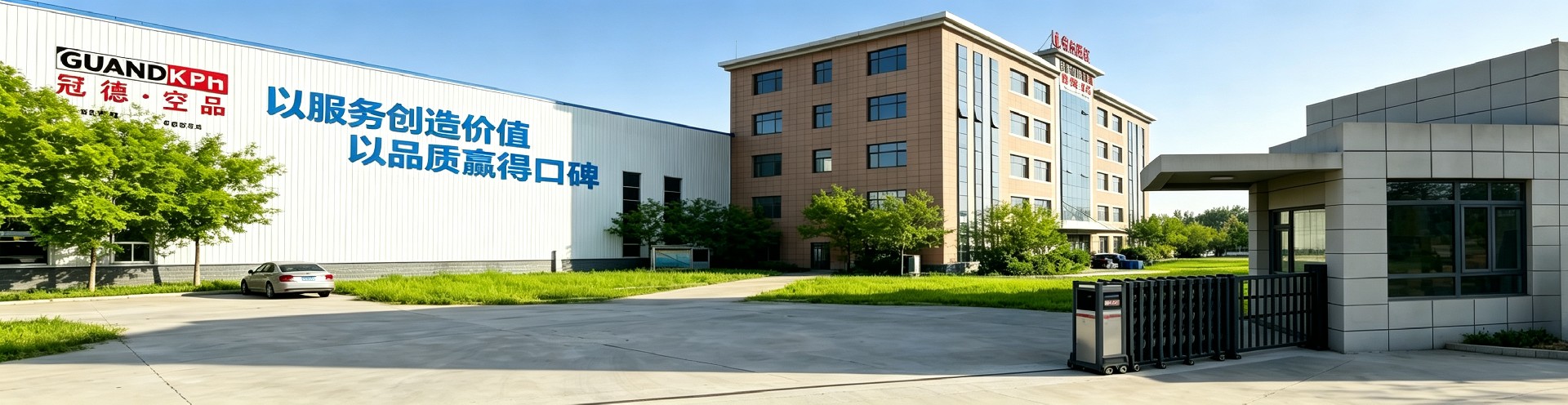
The southeast corner of the private entrepreneurship park in Huadian Town, Qihui County, Dezhou City, Shandong Province